
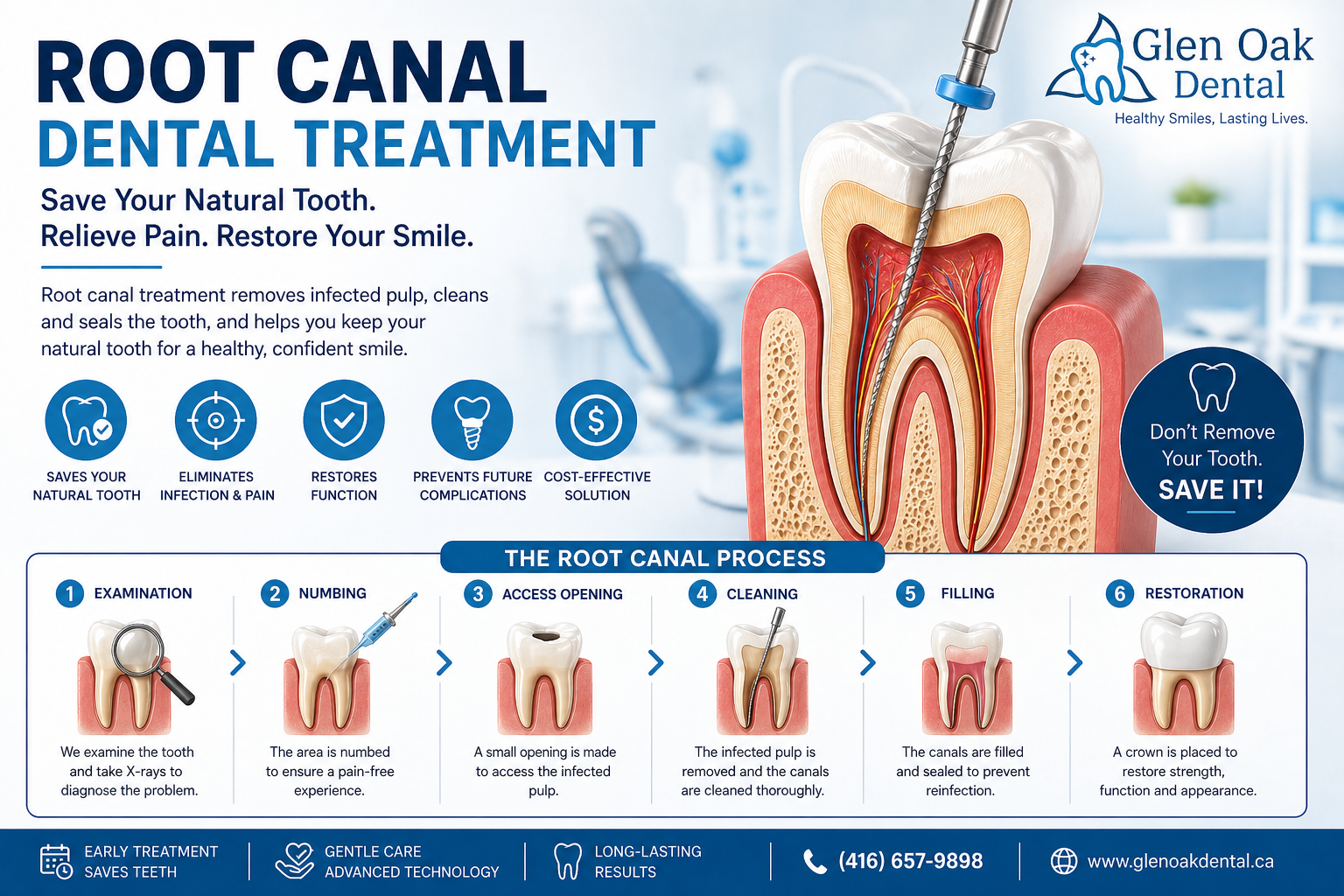
Root canal dentaltreatment is a highly effective procedure designed to save infected or damaged teeth while eliminating pain and restoring oral health. With modern advancements in dentistry, root canals are now more comfortable, precise, and successful than ever before.
If you are dealing with tooth pain or have been advised to undergo a root canal, understanding the process can help you make a confident decision.
What Is Root Canal Dental Treatment?
Root canal dental treatment is a procedure that removes infected pulp from inside a tooth. The pulp contains nerves and blood vessels, and when it becomes infected, it can cause severe discomfort and lead to serious complications.
The treatment involves cleaning the infected area, disinfecting it, and sealing the tooth to prevent reinfection. This allows you to keep your natural tooth instead of extracting it.
What Causes the Need for a Root Canal?
Several dental issues can lead to pulp infection:
- Deep tooth decay that reaches the inner layers
- Cracks or fractures in the tooth
- Repeated dental treatments on the same tooth
- Trauma or injury
- Untreated cavities over time
When bacteria enter the pulp, the infection spreads quickly, making prompt treatment essential.
Early Signs You Need a Root Canal
Recognizing symptoms early can prevent complications and save your tooth.
Common warning signs include:
- Continuous or throbbing tooth pain
- Sensitivity to hot and cold that lingers
- Swollen or inflamed gums
- Darkening of the tooth
- Pain when biting or chewing
- A pimple-like bump on the gums (abscess)
Ignoring these symptoms can lead to worsening infection and possible tooth loss.
Step-by-Step Root Canal Procedure
Modern root canal dental treatment is straightforward and typically completed in one or two visits.
1. Consultation and Diagnosis
Your dentist examines the tooth and takes X-rays to assess the infection.
2. Local Anesthesia
The affected area is numbed completely to ensure a comfortable experience.
3. Access Opening
A small opening is created in the tooth to reach the infected pulp.
4. Cleaning and Disinfection
The infected tissue is removed, and the canals are cleaned thoroughly.
5. Filling the Canals
The canals are filled with a specialized material to prevent reinfection.
6. Final Restoration
A crown is usually placed to restore strength and function.
Is Root Canal Treatment Painful?
Root canals are often associated with pain, but this perception is outdated.
- The procedure is done under anesthesia
- Most patients feel little to no discomfort
- Pain relief is immediate after removing infection
In reality, a root canal helps eliminate pain—not cause it.
Benefits of Root Canal Dental Treatment
Preserves Your Natural Tooth
Keeping your original tooth helps maintain proper bite alignment and jaw structure.
Eliminates Infection
The procedure removes bacteria and infected tissue, preventing further damage.
Restores Function and Appearance
After treatment, your tooth looks and functions like normal.
Prevents More Complex Treatments
Avoids the need for implants, bridges, or dentures.
Long-Term Cost Savings
Root canals are often more affordable than tooth replacement options.
Root Canal vs Extraction: What’s the Better Choice?
FeatureRoot CanalExtractionTooth RetentionYesNoCost (Long-Term)LowerHigherFunctionalityNaturalRequires replacementRecoveryQuickLonger
Dentists generally recommend saving the natural tooth whenever possible.
What to Expect After a Root Canal
Recovery is usually simple and quick.
You may experience:
- Mild discomfort for a few days
- Temporary sensitivity
- Slight swelling
Aftercare tips:
- Avoid chewing on the treated tooth until restored
- Take prescribed or over-the-counter medication
- Maintain good oral hygiene
Most patients resume normal activities within 24 hours.
How Long Does a Root Canal Last?
A root canal-treated tooth can last many years or even a lifetime with proper care.
To maximize longevity:
- Get a crown placed if recommended
- Maintain regular dental checkups
- Practice good oral hygiene
Cost of Root Canal Dental Treatment
The cost varies depending on:
- Tooth location (front teeth vs molars)
- Complexity of the infection
- Number of canals
- Need for a crown
While prices differ, root canal treatment is generally more economical than extraction followed by replacement.
Common Myths About Root Canals
Myth 1: Root canals are extremely painful
Modern procedures are comfortable and efficient.
Myth 2: Extraction is a better option
Saving your natural tooth is always preferred.
Myth 3: Root canals are unsafe
They are proven safe with high success rates.
How to Prevent Root Canal Treatment
Preventive care is key to avoiding serious dental procedures.
- Brush twice daily with fluoride toothpaste
- Floss regularly
- Limit sugar intake
- Visit your dentist regularly
- Address cavities early
When Should You Visit a Dentist?
Seek dental care immediately if you notice:
- Persistent tooth pain
- Gum swelling or infection
- Sensitivity that doesn’t go away
- Difficulty chewing
Early treatment can prevent more serious complications.
Choosing the Right Dental Clinic
For successful root canal dental treatment, choosing an experienced dental clinic is essential. A professional team ensures:
- Accurate diagnosis
- Advanced technology
- Comfortable treatment
- Long-lasting results
For expert care, visit Glen Oak Dental
and explore your treatment options here: https://www.glenoakdental.ca/services/root-canal-north-york/
Final Thoughts
Root canal dental treatment is a safe and effective way to save your natural tooth, eliminate infection, and restore oral health. With modern techniques, the procedure is faster, more comfortable, and highly reliable.
If you’re experiencing tooth pain or signs of infection, don’t delay treatment. Acting early can protect your smile and prevent more complex dental issues in the future.